
The Limits of Knowledge
The Life and Opinions of Tristram Shandy, GentlemanThis thread traces the novel’s satire of systems that promise certainty in law, science, theology, and ordinary judgment.
increasing Bearing strength in each event
 decreasing
Bearing strength in each eventdecreasingWalter’s Systems

A Habit of Explanation
Systematic thought
Walter builds theories about names, birth, anatomy, and education. He values precision and seeks a cause behind every event.
Comedy of overreach
His systems grow more elaborate as life resists them. The desire for certainty produces fresh confusion.
Words Confound Toby

Language and Obscurity
Military terminology
Toby struggles to explain the distinctions between fortifications. Visitors misunderstand the words and the terrain alike.
A linguistic problem
The narrator suggests that unstable words, not dull minds alone, produce confusion. Technical language can obscure the reality it should clarify.
The Sermon’s Moral Measure
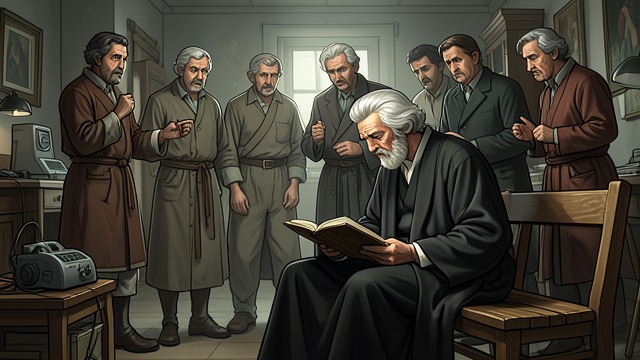
Conscience Is Not Enough
A fallible judge
Yorick’s sermon argues that conscience may excuse familiar wrongdoing and condemn only what a person already dislikes. A quiet mind is not proof of innocence.
External standards
Reason, justice, religion, and conduct must guide moral judgment. The sermon resists both self-congratulation and legal evasion.
The Name Debate

A Cause Made Absolute
Names and character
Walter treats names as powerful determinants of conduct. He uses selected stories to explain both success and failure.
An unfalsifiable theory
Contradictory evidence is absorbed into the system rather than allowed to overturn it. Tristram’s own name exposes the gap between theory and life.
The Limits of the Nose Debate

Expertise Without Agreement
Many explanations
Medical, legal, and theological authorities debate the possible causes and meanings of a nose. Each discipline brings its own assumptions.
Unsettled truth
The debate does not reach a stable answer. The novel exposes how systems can multiply arguments while obscuring the thing itself.
During the early family discussions
During visitors’ questions about Namur
During the reading of Yorick’s sermon
During Walter’s later examples about Christian names
During the discussion of Slawkenbergius
